
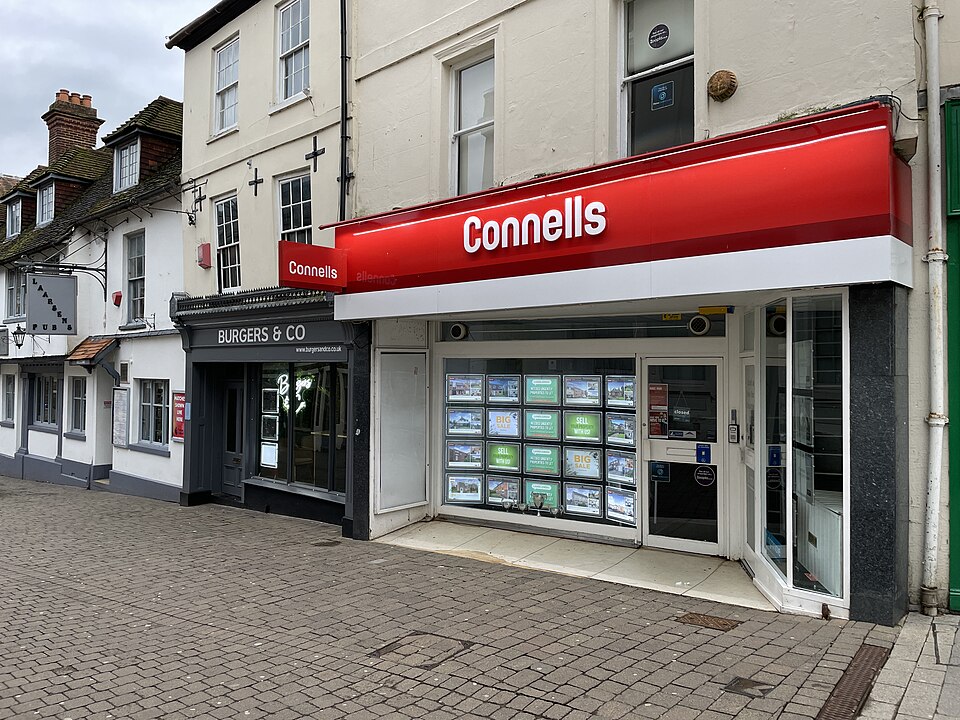
LSH’s owner Connells – and sister company Countrywide – have faced a string of legal troubles over many years. Expose News’ findings comes as the controversial Isle of Man litigation against LSH returns to court on Thursday, which is potentially the costliest and riskiest case any of the related companies have been involved in. Connells and Countywide’s historical losses have included negligence judgments, employment findings, competition-law action, anti-money-laundering penalties and a High Court deceit case.
- Lambert Smith Hampton is due back in court on Thursday 3 September in the £90m Lord Street case
- LSH is part of Connells Group, ultimately owned by Skipton Building Society
- Connells was hit this year by an employment tribunal finding of age discrimination, constructive dismissal and unfair dismissal
- A Connells surveying company was also found negligent over a HomeBuyer Report
- Countrywide Surveyors was held liable in deceit over 39 mortgage loans after an employee supplied grossly inflated rental valuations
- Countrywide Estate Agents was separately hit with a £215,000 anti-money-laundering penalty
- Most of Countrywide’s historic problems pre-date its 2021 takeover and should not be attributed to Connells or Skipton
THE PROPERTY empire behind the consultancy embroiled in the Isle of Man’s £90 million Lord Street court case has itself accumulated a striking catalogue of adverse legal and regulatory findings.
Lambert Smith Hampton – LSH – is back in court on Thursday 3 September as the long-running battle over the botched redevelopment of Douglas’s former bus station continues.
Developer Sondica Group Inc is seeking damages of £90 million from the Department of Infrastructure, Treasury – and, significantly, against LSH.
Sondica alleges government officials put unlawful pressure on LSH, which had been appointed as an independent professional adviser, to change its assessment of rival development bids.
LSH and the Government defendants deny wrongdoing.
But ahead of Thursday’s hearing, Expose.News has looked beyond LSH, at the much larger corporate empire surrounding it.
And the findings raise wider questions about governance, professional standards and risk management inside one of Britain’s biggest property groups.
Who owns LSH?
LSH is part of Connells Group, which is ultimately owned by Skipton Building Society.
The group operates through more than 80 estate-agency brands, and over 1,200 branches.
Countrywide was bought by Connells in 2021, so the firm’s older scandals cannot fairly be blamed on Connells or Skipton simply because they subsequently acquired the business.
But they are now businesses sitting inside the same sprawling property group.
And Connells has controversies of its own.
One of the most serious is remarkably recent.
Former Connells chief executive David Livesey, who ran the company for 16 years, successfully brought claims for direct age discrimination, constructive dismissal and unfair dismissal.
The Employment Tribunal ruling, announced in July this year, was against Connells and its owner Skipton Building Society.
Livesey’s lawyers said the case involved his treatment under a long-term investment arrangement. He had paid £420,000 for company shares but allegedly received just 46p, while a younger colleague who invested less received £1.6 million.
The tribunal upheld Livesey’s core claims, although it rejected his separate bullying allegations.
Skipton – which has yet to publicly comment on the £90 million Lord Street case – said the company was disappointed and intended to appeal.
The decision represents a significant adverse finding involving both Connells and Skipton.
Connells surveyors found negligent
However, another established professional failure closer to LSH’s own field of expertise, is also in the public domain.
A Circuit Judge found Connells Survey & Valuation Limited negligent over a HomeBuyer Report prepared for purchaser Joe Guishard.
After he bought the property, serious roof defects emerged.
Following a three-day trial, the judge concluded that a reasonable and competent surveyor should have identified the relevant problems and drawn them to the purchaser’s attention.
The reported award was £25,000 damages, with an additional uplift, costs consequences and interest.
Twice named over minimum wage
Connells Residential has also appeared in two separate Government National Minimum Wage enforcement rounds.
In 2016, the firm was named over £2,049.14 owed to one employee.
Eight years later, in 2024, Connells Residential was named again – this time for £17,086.83 in arrears affecting 23 workers.
The Government said employers in that enforcement round had been required to repay workers and faced financial penalties.
Countrywide: deceit over 39 mortgages
But some of the most disturbing material lies in Countrywide’s historical legacy record.
In Mortgage Express v Countrywide Surveyors, the High Court examined valuations produced for flats in Eastbourne.
A Countrywide employee had supplied rental figures of roughly £1,300 to £1,540 a month.
Countrywide later accepted retrospective expert evidence suggesting realistic rents were only around £600 to £750.
An internal Countrywide investigation concluded rents had been grossly overstated, while a later internal report regarded fraud as the likely explanation.
The employee was found to have acted deceitfully and Countrywide Surveyors was subsequently held liable in deceit on 39 loans.
The court did not find that the Countrywide board itself had committed fraud.
Countrywide developed concerns about the valuations but Mortgage Express was not told of those fraud concerns at the time.
£215,000 money-laundering penalty
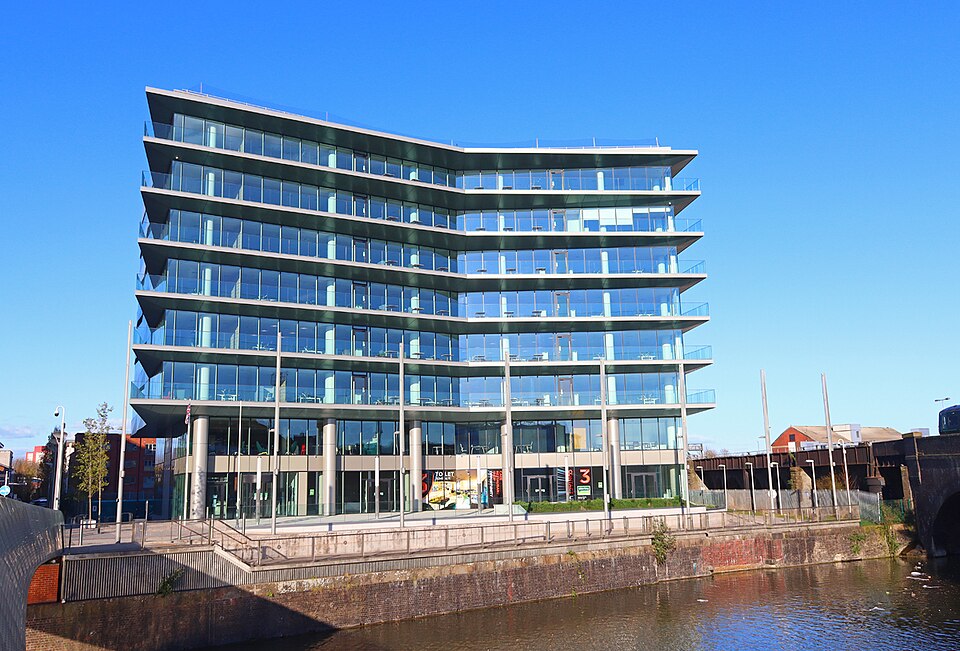
Countrywide Estate Agents was subsequently penalised £215,000 by HM Revenue & Customs for breaches of the Money Laundering Regulations.
HMRC identified shortcomings involving group policies and controls, customer due diligence, timing of identity verification and record keeping.
Another Countrywide company, Hamptons Estates, admitted involvement in a separate competition-law infringement concerning restrictions on advertising estate-agent fees and discounts.
The CMA imposed a £582,455 penalty on Hamptons after discounts, with Countrywide parent companies jointly and severally liable for £349,473.
Countrywide was also named by Government in 2025 over £68,913.71 of minimum-wage underpayments affecting 438 workers, although the public notice does not establish exactly when those underpayments occurred.
Questions for the group
None of this proves LSH did anything wrong in the £90 million Lord Street case.
Thursday’s court proceedings must turn on the evidence surrounding that tender, those reports and those decisions.
Nor would it be fair to pin Countrywide’s pre-2021 conduct on Connells or Skipton.
But the corporate history provides important context.
With up to £90 million being claimed in Lord Street, the issue may no longer be about what happened inside a Manx Government tender a decade ago.
It is not known whether Connells – and ultimately Skipton – have satisfied themselves that the legal, financial and reputational risks surrounding LSH are being properly controlled.
If the case goes to trial, questions about what the corporate owners behind LSH knew maybe asked.
ENDS

The Docket – IOM’s crime reports