
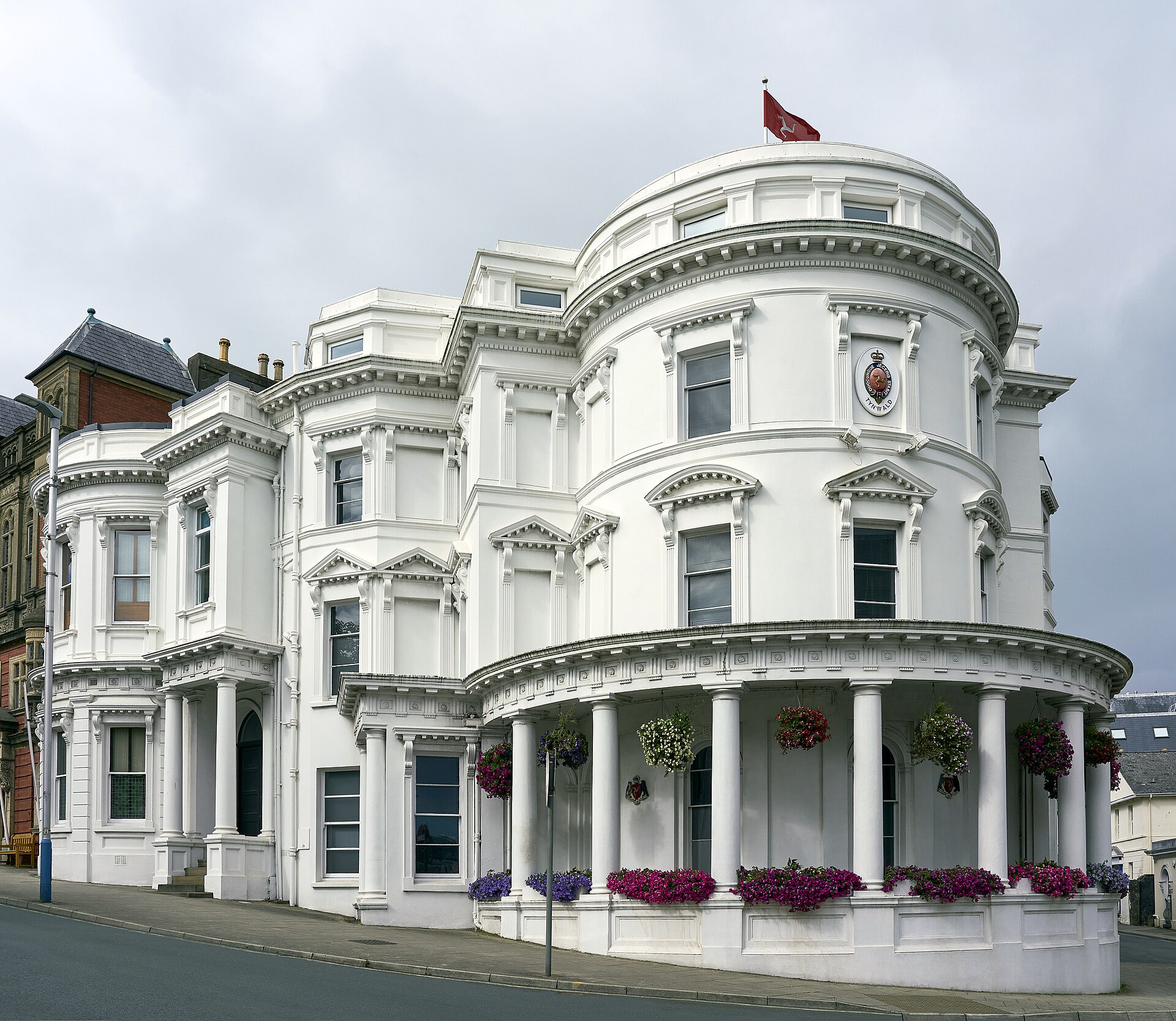
- Legal bombshell as Lambert Smith Hampton looks to bail after eight years of litigation — whether or not the IoM Gov like it or not
- Blue chip company, owned by property giant Skipton and Connells, seeks alternatives to a full trial
- LSH argues their firm owed no legal duty to the original bidder Sondica Group Ltd
- Sondica was chosen as the preferred developer of the controversial £55 million site at first – then mysteriously rejected
- One of the alternatives is a mini trial, in which LSH’s case could be heard separately
- The Trial of Preliminary Issues would be heard before a full blown trial involving their government co-defendants
- But the claimant Sondica opposes the preliminary-issue route
- The Isle of Man developer argues LSH remains a critical witness to the disputed tender process
- Fragmenting the case would increase costs and add yet further delay, Sondica’s advocate said
- Deemster Corlett ordered fuller legal argument before deciding how the case should proceed

Lambert Smith Hampton is seeking a route out of the long-running Lord Street litigation before a full trial.
LSH’s lawyer argued that the claim against the firm may be capable of determination as a preliminary question of law.
The property consultancy is the third defendant in proceedings brought by Sondica Group Inc.
The Isle of Man court was told that LSH’s priority was to have the claim against it determined cost effectively.
Without incurring the expense of preparing for a full trial is preferable from their perspective, because the company contends that there is no sustainable legal claim against it.
But Sondica strongly opposes dealing with the case in that way, arguing that the dispute cannot safely be reduced to a paper exercise and that LSH remains key to events at the heart of its case.
The disagreement emerged during a case management hearing before Deemster Corlett on September 3.
LSH’s advocate, Mrs Corkish, told the court that the consultancy had previously indicated an intention to bring a strike-out application.
The potential strike out was on the basis that the claim disclosed no reasonable grounds for a tortious claim against it, meaning that that they thought they had done nothing wrong.
A draft strike-out application had been sent before discussions developed around instead determining a series of preliminary issues.
She said LSH’s fundamental position was that it owed duties to its own client under its retainer, not to Sondica as a third-party tenderer.
The consultancy argues that, as a matter of law, no duty of care was owed to Sondica.
Even if a duty could arise, their lawyer added, it could not exceed any duty potentially owed by the first and second defendants – the Department of Infrastructure and Treasury.
Mrs Corkish said the question could therefore potentially be decided by examining the legal structure of the tender process.
LSH’s retainer and agreed facts should also be scrutinised rather than embarking immediately on extensive witness and expert evidence.
She told the court LSH’s objective was straightforward: “It just wants to be out of these proceedings from the perspective of any claim against it.”
She added that LSH did not want to incur costs obtaining expert evidence if the court ultimately concluded that no claim could legally be maintained against it.
Sondica, however, says the history of LSH’s involvement makes the consultancy central to what happened.
Vicky Unsworth, for Sondica, referred to an LSH letter which, on the claimant’s case, initially recommended Sondica as the best bid and said it should proceed.

She alleged that around a week later another letter emerged containing allegations against Sondica which the claimant says were untrue and recommending that Sondica should not proceed.
Sondica’s case is that a government official intervened during that period.
Deemster Corlett stressed during the hearing that the pleaded allegation of misfeasance in public office was against the government figure concerned, not LSH.
Mrs Unsworth accepted that distinction but argued LSH remained “a critical witness” in the process, a distinction that could prove important.
Deemster Corlett observed that even if LSH ceased to be a defendant, it could remain involved as a witness.
LSH responded that this was materially different from remaining exposed to the costs and liabilities of defending the claim.
Mrs Corkish argued there was little factual material that would need to be agreed before the legal questions concerning LSH could be determined.

She pointed to matters including the timing of LSH’s retainer and the absence of a relationship between Sondica and LSH before the tenders were submitted.
The scope of the retainer and the reports produced by the consultancy were also referred to.
Deemster Corlett said: “I need to hear full argument on it.”
LSH also reserved the possibility of returning to its proposed strike-out route if the preliminary-issue procedure does not provide a speedy way of resolving its position.
Mrs Corkish told the court LSH did not require permission to bring a strike-out application and might pursue another option if necessary.
Sondica’s preference still remains a full trial.
Or alternatively, a trial dealing first with liability — in effect, which defendant is to blame — rather than the narrower preliminary-issues hearing proposed by the defendants.
Deemster Corlett did not decide the dispute on September 3.
Instead, he directed that the preliminary-issues application should return for a contested hearing supported by skeleton arguments and legal authorities.
Skeleton arguments are due by October 9, with the agreed bundle due by October 16.
The court indicated that the hearing could potentially take place in November, with October also mentioned as a possibility.
The next hearing will therefore determine not whether Sondica ultimately wins its case, but how — and potentially against whom — the £90 million Lord Street litigation moves towards trial.
