

By Rohan Gupta, Expose City Desk
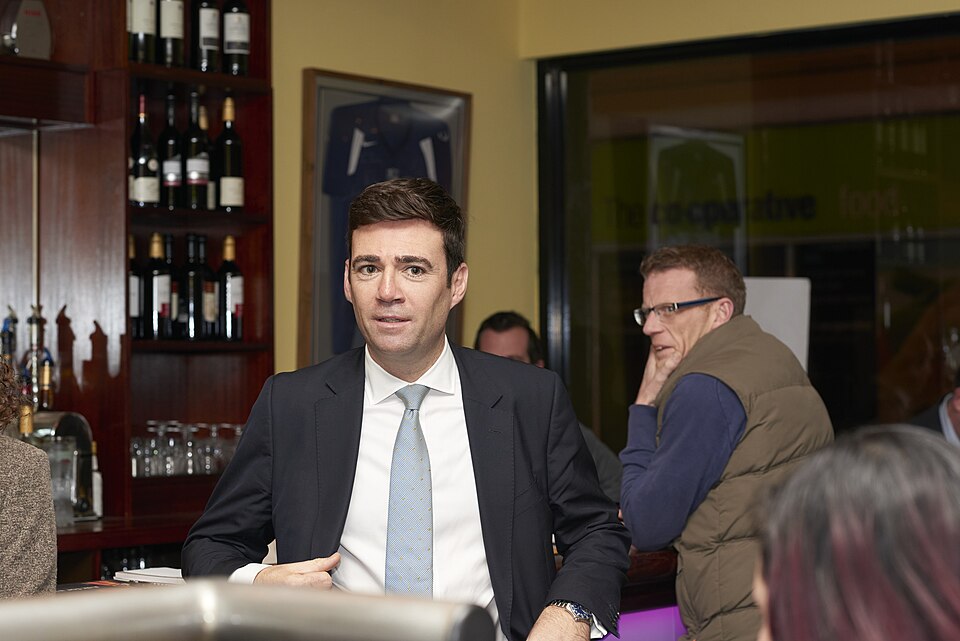
In a tough year of volatile bond markets and stagnant house prices in the South, the North West has emerged as a key growth area for UK investors. The Makerfield by-election has therefore become much more than just a local contest. If former Greater Manchester mayor Andy Burnham can turn this historically Labour-held seat into a stepping stone to the No 10 job, there is a growing expectation that business and the economy will shift towards greater state-driven investment, decentralised power and stricter regulation of key industries, potentially refocusing growth on depressed areas such as Wigan while rattling investors in UK debt and premium property markets.
North West Economy and Property Backdrop
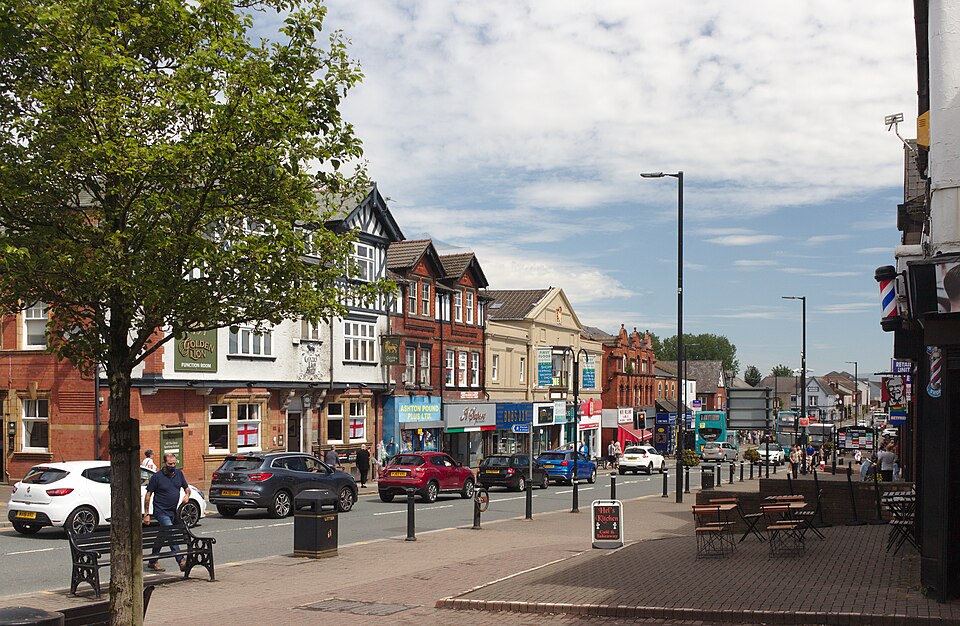
While the overall UK property market has cooled in the last few years, the North West has remained relatively robust. Prices in the region have been rising, supported by lower entry values — especially for first-time buyers compared with Southern markets, and steady demand from buyers pushed out of London and its surrounding counties. The region offers investors accessible pricing and strong demand in and around major cities, with attractive rental yields that compare favourably with the expensive markets of London and the South East. Makerfield is a rising opportunity that can deliver all three.
Makerfield offers towns and villages within easy reach of major employment hubs, which should appeal to commuters, alongside housing prices that remain affordable compared with trendier parts of Greater Manchester. Wigan, which covers much of Makerfield, has emerged as an area that can offer investors stronger rental yields when paired with a long-term strategy for capital gains. However, with new rules on renting and a greater regulatory burden, lenders and landlords are having to adjust their approach accordingly. This turns the Makerfield by-election into more than a political contest — it forms part of a broader question for the North West: can a region that has delivered attractive returns for property investors continue to attract investment if the future points towards stronger government intervention?
Burnham’s Economic Pitch and the Market’s View
Through his time as Mayor of Greater Manchester, Burnham has argued that government can do more for the economy than simply regulate ,it can be proactive rather than wait for the markets to act. Under his leadership, Greater Manchester has unified its buses under a public brand, pursued long-term investment deals and kept a clear focus on using local power to drive sustainable, not just economic, expansion. In his Makerfield campaign, there is a strong emphasis on his vision for Britain to move beyond market reliance towards a model where government intervention guides industrial strategy and green investment.
This proposal resonates one way in boardrooms and another on the campaign trail. To financial markets, the vision appears bold and reckless, a threat to investors and regulated companies. To economically struggling voters, it can look empowering: a return to a more proactive, European-style economy with stronger and smarter state intervention. Either way, it will prompt investors to rethink their UK risk assessment. Bondholders are questioning whether a Burnham-led approach would maintain spending discipline or open the door to higher spending on national priorities. The possibility of greater oversight is already influencing asset valuations through rising government bond yields, and should Burnham gain momentum from Makerfield, these concerns could quickly shift from cautious assumptions to market reality.
Inside Makerfield: Voters, Business and Reform
On the ground, the landscape remains much the same: ex-mining towns such as Ashton-in-Makerfield and Hindley are still depressed, high-street regeneration is delayed, and small businesses are struggling amid rising taxes and interest rates. Many local shopkeepers and landlords agree investment is needed, they are just sceptical it will arrive in time.
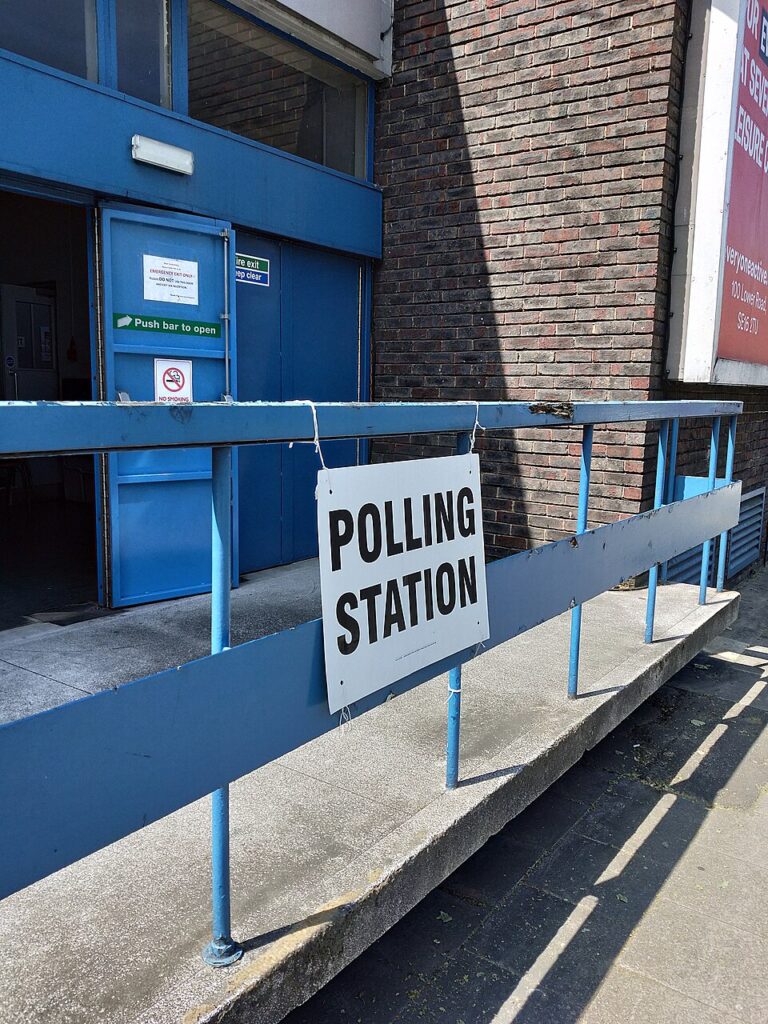
This rising frustration has heavily influenced the constituency’s long-standing party loyalties. Labour’s historic hold on the seat is fading, and Reform UK is now a real force in the race. What was once a political afterthought is firmly in the spotlight on 18 June. Burnham believes the right vision for Makerfield is engaged governance, more funding, power and oversight to protect communities. Reform is banking on voter fatigue, believing people no longer trust Labour’s visions and promises. The real concern for businesses and landlords boils down to this: which path leads to real local progress, and which might just add further political uncertainty to an already fragile investment climate?

What’s at Stake
For Labour, losing Makerfield would be a major blow. If Burnham fails to secure a seat tailored for his return, it will be read as a rejection of his leadership and of Labour’s hold over seats it once took for granted. Winning, on the other hand, would not only bring him into Parliament but also strengthen his influence over shaping Labour’s future economic policy.
Investors will be watching closely; the Makerfield by-election will help determine how much political uncertainty should factor into the pricing of UK assets. If Burnham wins the seat convincingly, his model, more state involvement, regulated markets, devolved power, would gain traction and potentially shift the UK’s political and economic direction. A strong showing would push investors to reassess fiscal discipline and the long-term cost of doing business in the UK. A narrow win or surprise loss would signal that the country may not be ready for a state-driven economic model.
The outcome isn’t just political, it will directly affect property values, operating conditions for businesses and long-term planning for local owners and entrepreneurs. This by-election is a choice between revitalising the region through state investment and regulation, or dismantling the current system in favour of a new political playbook. What happens in Makerfield will send a clear message to Westminster about the kind of economic leap, or reset, this country wants.
