

Part 1 of The ShadowChancer series.

In the first part of a new ShadowChancer series, junior City reporter Rohan Gupta unravels how loan raiser extraordinaire Paresh Raja allegedly conned billions out of Britain’s dopey blue-chip banking bros — and then got on his toes sharpish to Dubai. The flash former Mayfair wideboy denies all wrongdoing, but now a High Court judge is set to untangle the mess, amid allegations of Britain’s biggest property pumping scandal combined with a long firm scam which crossed continents and burned through billions.
- Market Financial Solutions collapsed in February 2026, leaving creditors facing an estimated £1.3bn loss.
- Administrators allege properties were double-pledged across a vast lending network, which is denied.
- Court papers point to 178 shell companies and alleged circular movement of funds on a massive scale.
- Barclays and Santander were among the major institutions with exposure to the lender.
- MFS also financed property firms linked to former Bangladesh land minister Saifuzzaman Chowdhury.
- Paresh Raja denies wrongdoing, with rebuttals reported by the Daily Telegraph and Financial Times.
By Rohan Gupta
Expose City Desk
In November 2025, Paresh Raja was named “Disruptor of the Year” by the finance industry.
Then, the title sounded like a good thing. It had a certain ring to it, which suggested that Raja was a game-changing whizzkid, armed with a market-shaking, money-making routine which would revolutionise the way things were done.
Now, it sounds altogether more ominous, as though he is some kind of renegade financial malcontent up to no good.
Why the change? Because now we know more…
By March 2026, Raja had fled to Dubai with his worldwide £1.3 billion of assets frozen. He was viewed by a British judge as an individual under “serious suspicion of fraudulent activity”. What began as a story of entrepreneurial success has become Britain’s biggest shadow banking scandal — allegedly.
Raja, of course, denies wrongdoing. His lawyer told the Daily Telegraph that there was “no intention to defraud whatsoever” and that the allegations were “materially incorrect”. The Financial Times reported that his spokesperson said he “strongly denies the allegations” and maintains there was “no fraud or dishonesty”.
Read on and make your own mind up…
Raja’s firm, Market Financial Solutions (MFS), managed £2.4 billion of loans for property lending. It financed 317 student flats in One Islington Plaza in Liverpool, shopping centres in Manchester, and a former Bangladesh minister who somehow built a £185 million UK property empire on a £13,000-a-year salary.
MFS collapsed in February 2026, leaving creditors facing a £1.3 billion loss. An audit revealed that for every £1 of liabilities, MFS could only cover 20p in legitimate assets.
However, what is most shocking is not the fraud allegation — it is the failure of those who were meant to prevent it. Where were the watchmen? Who was watching the lawyers, regulators and compliance bods?
Administrators found 178 shell companies — many named after Greek and Roman gods — used to disguise the same properties as collateral across multiple loans. According to court papers, the funds were “fraudulently circulated on a massive scale”. MFS received £600 million from Barclays, while Santander transferred £235 million directly into a company controlled by Raja.
MFS was declared financially clean in 2024 by a City law firm — the same year Bloomberg conducted an investigation publicly connecting the firm to a politician now under a criminal investigation by Britain’s National Crime Agency.
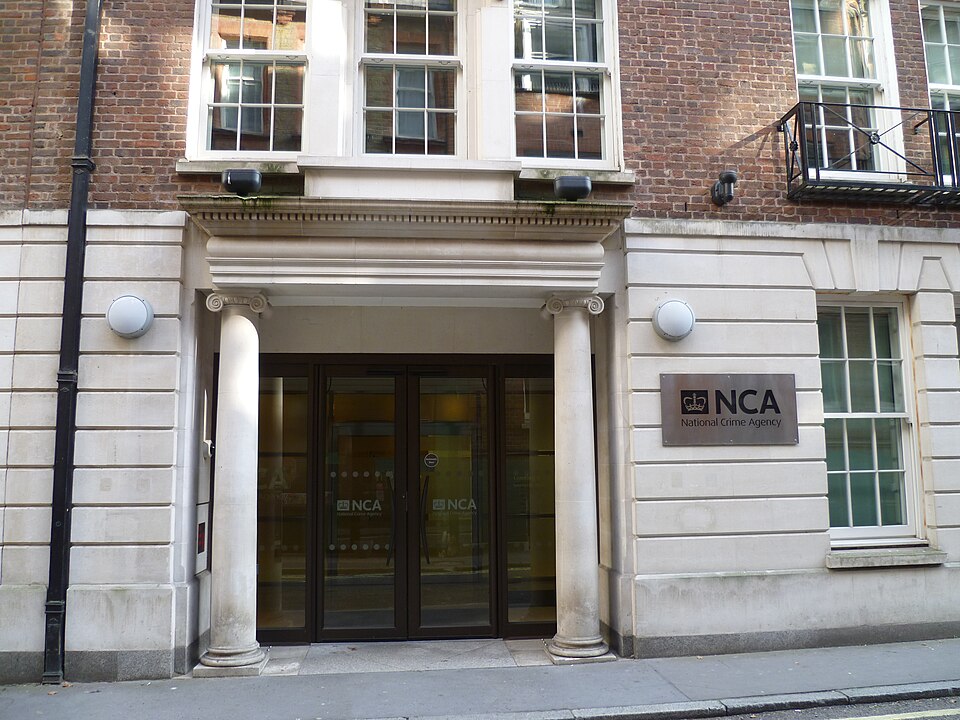
The National Crime Agency’s headquarters on Old Queen Street in London (now its former headquarters) Credit:Philafrenzy
Since the 2008 crash, compliance officers in financial institutions were supposed to be the new Masters of the Universe. The quiet heroes charged with making sure it never happened again. No one is saying that this is a new credit crunch, but their collective reputation as a body may now have taken a hit that is too big to shrug off.
And what about Britain’s financial regulator? MFS only registered for anti-money laundering checks, and there was no meaningful oversight. Despite the firm’s size, the Financial Conduct Authority (FCA) could only review the administrative paperwork, but not the accounts.
Four failed property firms were managed from an office at 1 Oxford Street, Manchester. This is not just a financial scandal which extends to Northwest England. The real question remains: how many more are hiding in plain sight?
The scheme: double pledging and shadow networks
The core of the firm’s alleged fraud is stark: pledge the same property to multiple lenders without disclosing previous loans — making each lender believe they are the only one with secured collateral.
The court documents confirm this exact scheme across MFS’s £1.16 billion in loans — with only £230 million backed by clear collateral and security. This 80% deficit, a creditor claims, stems from “improper and likely fraudulent conduct”.
Central to the allegation is the company Twinwin Ltd, a firm that court documents say is under the “close and personal” control of Raja. This is despite the company being listed under the control of accountant Khemanand Hurhangee.
According to liquidators, Twinwin was a tool to “perpetrate fraudulent wrongdoing”, diverting money from lenders like Castlelake and Barclays.
Beyond Twinwin Ltd, Hurhangee was also the director at Magus Chartered Accountancy — MFS’s own accountants. Furthermore, Hurhangee is listed as the beneficial owner of properties in London belonging to Raja, his ex-wife and children.
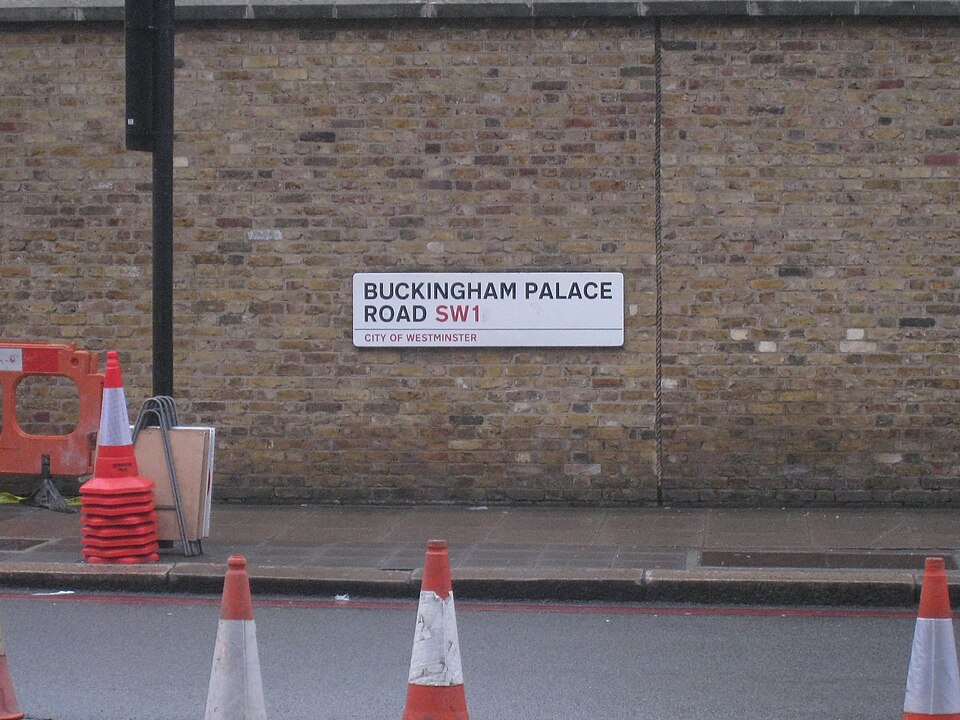
Several property firms that took loans from MFS trace back to the same three directors: Khemanand Hurhangee, Dipeshkumar Patel, and Dipendra Amin — all previously linked to MFS’s former office address at 134 Buckingham Palace Road.
Starting from December 2025, repayments were allegedly rerouted to unauthorised accounts. When MFS folded on 25 February 2026, the entire network of firms was so complex that administrators are still mapping it out today.
The Bangladesh minister’s British property empire
One of MFS’s biggest borrowers was Saifuzzaman Chowdhury, who earned £13,000 a year. Chowdhury served as Bangladesh’s Land Minister under PM Sheikh Hasina, whose government fell in August 2024.

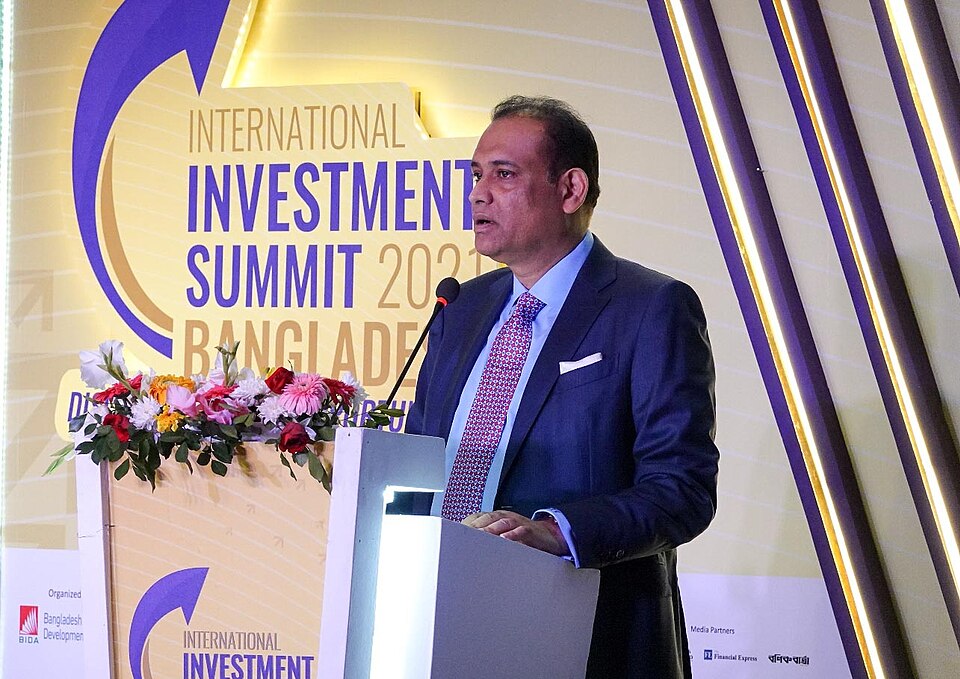
Despite being on a government salary, Chowdhury amassed more than 360 UK properties — valued at over £320 million — raising serious questions about the source of this wealth.
MFS was the lender, and a 2024 Bloomberg investigation exposed the link. The investigation revealed MFS started funding Chowdhury-affiliated companies in mid-2019 — just as he became Land Minister. Almost 90% of the properties were new-builds — a common tactic in money laundering.
The National Crime Agency froze 342 UK properties valued at £185 million in June 2025 — one of the biggest property takedowns in British history.
Court papers in this MFS case identified certain assets: student flats at One Islington Plaza in Liverpool, along with properties in Preston and Harrow. Four of Chowdhury’s UK property firms — New Ventures (London) Ltd, Sadakat Properties, Zaria Properties and Zeba Properties — are now under administration. All of these property firms link to the same Manchester address: 1 Oxford Street.
MFS’s Northwest ties were not limited to Chowdhury. A £6.6 million loan in October 2024 backed a shopping centre deal in Greater Manchester. Raja later claimed it as the “third loan to that client in 2021”, all for purchasing shopping centres.
From Bloomberg’s 2024 report to MFS’s 2026 collapse: 20 months of inaction. The UK’s financial regulators? Silent.
The banks behind the billions
MFS did not create its £2.4 billion debt portfolio using pocket change. MFS obtained this wealth from some of the biggest financial institutions in the world.
Barclays provided between £495 million and £600 million. Santander moved £235 million straight to a company that Raja owned himself. Elliott Management — the American hedge fund managed by billionaire Paul Singer — had exposure of £200 million. Apollo Global Management, Wells Fargo and Castlelake — which is mostly owned by Brookfield Asset Management — all gave large amounts of funding.
These investors are not rookies. These investing groups hire hundreds of workers for legal checking, risk evaluation and background investigations. The main goal of these companies is evaluating the risks of lending and being rewarded for taking those risks.
Despite that, in April 2026, two months after MFS collapsed, Barclays filed legal papers claiming that money at MFS had been moved in a deceptive way across many businesses on a “massive scale”.
.
